
Getting started with backyard chickens probably comes with a lot of questions about where you can actually keep them. Living in the city can add a layer of complication. You may need a certain property size, meet specific setbacks, or live in a qualifying zoning district. Plus, limited space can restrict the number of chickens you can have.
There are other things to think about when getting backyard chickens as well. Will predators pose a threat? Is the climate right for them to thrive? Is the community supportive?
We created this guide to break down some of the most chicken-friendly cities so you can find the right home for your flock.
Can You Have Chickens in the City?
Yes, many cities allow backyard chickens, but others don’t. For example, Salem, Oregon, allows up to 12 chickens, while Jackson, Wyoming, prohibits backyard chickens within town limits.
Since cities tend to have smaller properties, restrictions can make keeping chickens more difficult. Minimum property sizes or coop setbacks can be nearly impossible to meet on a typical city lot. Noise can also be a major concern when neighbors live close together and may contribute to restrictions or prohibitions. Housing type matters, too, as some cities allow chickens at single-family homes but not apartments or other multifamily properties.
Review our chicken laws articles by state to see how your city’s requirements compare on these common restrictions and considerations.
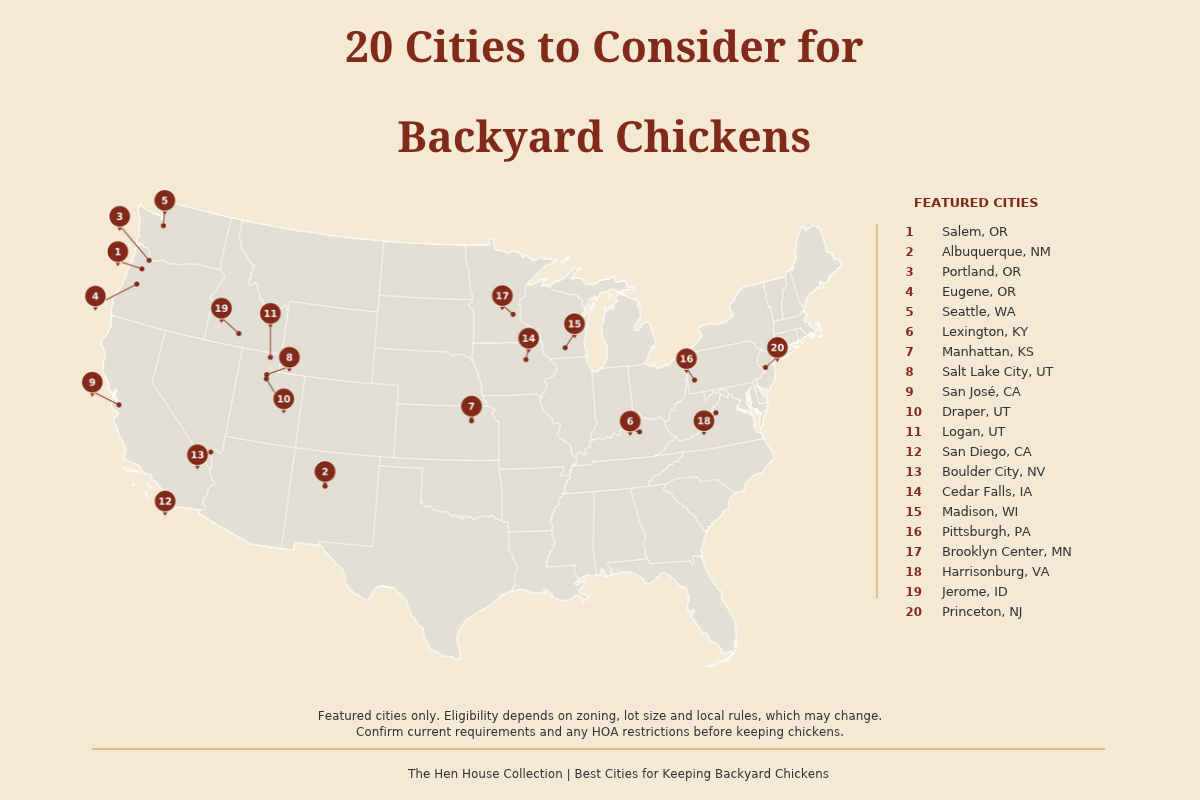
Best Cities Quick Table
| City | Main Advantage | Confirm Your Laws |
| Salem, OR | Keep 12 chickens in a comparatively moderate climate | Oregon |
| Albuquerque, NM | Keep up to 15 chickens, including 1 rooster | New Mexico |
| Portland, OR | Keep 4 chickens on a lot of any size | Oregon |
| Eugene, OR | Keep 6 adult hens plus 6 younger birds | Oregon |
| Seattle, WA | Keep 8 hens with moderated seasonal temperatures | Washington |
| Lexington, KY | Keep hens and 1 rooster in a 4 season setting | Kentucky |
| Manhattan, KS | No stated flock maximum or chicken keeping permit | Kansas |
| Salt Lake City, UT | Keep up to 15 hens at eligible multifamily properties | Utah |
| San José, CA | Keep a small flock without a permit in a comparatively mild climate | California |
| Draper, UT | Keep up to 25 chickens as qualifying lot size increases | Utah |
| Logan, UT | Keep 10 chickens on a ¼ acre | Utah |
| San Diego, CA | Keep up to 25 hens with required setbacks and a mild coastal climate | California |
| Boulder City, NV | Keep 10 hens without a chicken keeping permit | Nevada |
| Cedar Falls, IA | Keep up to 10 hens with modest property line setbacks | Iowa |
| Madison, WI | Keep 8 hens with a chicken license | Wisconsin |
| Pittsburgh, PA | Keep 5 chickens or ducks on qualifying 2,000 square foot lots | Pennsylvania |
1. Salem, Oregon
Salem takes the top spot for combining a generous flock allowance with comparatively moderate weather and a simpler approval process. You can keep up to 12 chickens without a separate chicken keeping permit. Roosters are prohibited, but that still gives you plenty of room for a laying flock. The coop needs to stay 25 feet from neighboring homes, so check that your yard has enough room before choosing a setup. A covered run and good drainage help keep your flock out of the mud during wet winters, while ventilation and shade help during summer heat spells. Coyotes are present in the region, making a secure enclosure and sturdy nighttime housing important, too.
Room for 12 chickens without a separate keeping permit, paired with comparatively moderate weather, gives Salem the strongest overall balance on this list.
2. Albuquerque, New Mexico
Albuquerque gives you room for up to 15 chickens, including 1 rooster, without a separate permit for noncommercial chicken keeping. That makes it appealing if you want a larger laying flock or the option to hatch your own chicks. The required 20-foot dwelling setback still needs to fit your property. Low humidity is a benefit, but the coop needs ventilation and shade for summer heat, as well as dry shelter for winter freezes. Local guidance identifies coyotes as a threat, so a securely enclosed run and reliable door latches are important.
Albuquerque earns second place with a larger allowance and permission to breed your own birds, balanced against greater seasonal temperature demands than Salem.
3. Portland, Oregon
Portland makes keeping chickens possible even on smaller city properties, allowing up to 4 chickens on any lot size. Larger qualifying lots can accommodate more, and a separate livestock keeping permit is not required. Coop placement requirements still apply, while rooster permissions are much more limited. A covered run and well-drained location help keep a compact yard from becoming muddy during wet winters. Coyotes also live in Portland, making a secure enclosure important even in an urban neighborhood.
Portland’s smaller starting flock earns a high position because the lack of a minimum lot size, simpler permitting, and moderate temperatures make chicken keeping accessible on compact properties.
4. Eugene, Oregon
Eugene gives you flexibility to raise replacements while keeping your existing laying flock. Qualifying residential properties may keep 6 adult hens plus 6 younger birds, but roosters are prohibited. Shelter generally needs to stay 10 feet from property lines unless you obtain the required neighbor consent, so measure your available space before choosing a coop. The setup also needs enough room for the birds you plan to keep as they grow. A covered run, dry bedding, and drainage help during wet winters, while secure openings and latches protect the flock when you aren’t outside.
The extra allowance for younger birds puts Eugene near the top in maintaining a productive laying flock without sacrificing comparatively moderate conditions.
5. Seattle, Washington
Seattle offers space for up to 8 domestic fowl and moderate seasonal temperatures. Other domestic birds count toward that total, while larger qualifying lots may allow more. Roosters are prohibited, and the coop must be kept at the required distance from neighboring homes. Rain makes a roofed run and well-drained coop location particularly useful for keeping bedding dry and outdoor space usable. King County guidance identifies several potential poultry predators, including raccoons and coyotes, so secure latches and sturdy enclosure materials deserve attention.
An 8-bird allowance and moderated temperatures secure Seattle’s place in the top 5, with rain and predator protection shaping the setup you’ll need.
6. Lexington, Kentucky
Lexington is especially appealing if you want to hatch chicks, with permission to keep hens and 1 rooster. Noise rules still apply, so think about nearby neighbors when choosing the coop location. Confirm the hen allowance and required setbacks for your property before deciding on flock size. Its 4-season climate suits adaptable breeds such as Barred Plymouth Rocks and Sussex, with ventilation and shade for humid summers and dry, draft-protected shelter for winter. A securely enclosed run also gives your birds outdoor space without leaving them exposed to roaming animals.
Permission to keep 1 rooster gives Lexington an advantage for breeding, while its seasonal climate makes it an appealing alternative to cities with prolonged northern winters.
7. Manhattan, Kansas
Manhattan offers flexibility if a small flock limit would hold back your plans. There is no stated numerical flock maximum or separate chicken-keeping permit, although space, care, and nuisance requirements still affect what you can reasonably keep. Chickens must remain confined, and the enclosure needs to stay 25 feet from another residence. Confirm rooster rules before planning to breed. A larger flock also needs a larger setup, with enough ventilation for summer heat and dry shelter during winter cold. Secure fencing and protected feed storage help keep roaming animals from becoming a problem.
Manhattan makes the list for its flexible stated flock and permit requirements, although the 25-foot dwelling setback and seasonal extremes keep it below more accessible options.
8. Salt Lake City, Utah
Salt Lake City allows up to 15 hens at eligible residential properties, including qualifying multifamily properties. That gives you access to a substantial laying flock without needing a detached single-family home. An annual permit is required, and roosters are prohibited. The coop must stay 25 feet from neighboring dwellings, making the distance between buildings an important first check. Plan for shade and ventilation during hot summers, along with dry shelter and unfrozen water during winter. A secure run and protected feed storage help keep the larger flock enclosed and avoid attracting animals.
Few options here combine a 15-hen allowance with multifamily eligibility, earning Salt Lake City its position despite annual permitting and substantial dwelling setbacks.
9. San José, California
San José offers a simpler starting point for a small laying flock, with no permit required under the applicable small flock allowance. Additional birds require approval, and roosters are prohibited. The enclosure must also meet the required distance from neighboring homes, so yard layout still matters. Comparatively mild winters can reduce cold-weather demand, while a shaded run and a ventilated coop help during dry summers and hot spells. Coyotes are documented locally, making sturdy fencing and secure nighttime housing important.
San José places ahead of several larger flock options because a small flock without a permit and comparatively mild winters can make everyday keeping more manageable.
10. Draper, Utah
Draper gives you room to expand as your property gets larger. Qualifying lots of up to 11,500 square feet may have 6 chickens, plus 1 additional chicken for each additional 1,500 square feet, up to 25. Roosters are prohibited. The coop and run generally need to stay 5 feet from property lines, 30 feet from neighboring homes, and 10 feet from the dwelling on your property, so the largest allowance is only useful if the enclosure fits. Ventilation, shade, and winter shelter help manage seasonal temperatures, while secure fencing and latches address locally documented predators.
The opportunity to reach 25 chickens earns Draper a place in the top 10, but the land and setbacks needed prevent that maximum from outweighing more practical options above it.
11. Logan, Utah
Logan allows 10 chickens on a qualifying ¼ acre without a separate permit for noncommercial chicken keeping. Other animals on the property can affect that allowance, and eligibility is tied to qualifying detached single-family properties. Roosters are prohibited. The coop needs to stay 25 feet from neighboring homes, so check the available location before choosing its size. A covered, ventilated shelter helps keep birds dry during winter without trapping moisture, while shade is useful during summer heat. Secure enclosure openings and feed storage also belong in the setup.
For smaller, qualifying ¼-acre properties, Logan offers a useful 10-chicken allowance without a separate keeping permit, though its housing restrictions and setbacks limit who can benefit.
12. San Diego, California
San Diego’s coastal climate is a major draw if you want to avoid prolonged winter cold. Inland neighborhoods can be considerably hotter, so a shaded run and good ventilation remain important when choosing a coop. You can keep up to 15 hens when the coop is at least 15 feet from all property lines, or farther if your zoning requires it. The allowance increases to 25 when the chickens stay at least 50 feet from any residential building. Smaller properties may still accommodate up to 5 hens when the coop meets the required setbacks. Roosters are prohibited, and both the coop and outdoor enclosure must protect against predators.
San Diego earns its place by pairing mild coastal conditions with allowances of up to 25 hens, although the space needed for larger flocks limits that advantage on smaller properties.
13. Boulder City, Nevada
Boulder City has friendly chicken laws, allowing up to 10 hens without a chicken keeping permit and requiring reported 5-foot side and rear setbacks. Chickens are limited to qualifying R1 properties, so eligibility is narrower than in cities that allow them in more residential areas. Roosters are prohibited, and birds must remain enclosed. That makes the enclosure’s location especially important during extreme heat and dryness. Choose a setup with dependable shade, ample ventilation, and enough protected outdoor space for the entire flock. A securely covered run can also help protect against animals approaching from the ground or above.
Boulder City’s 10 hen allowance and modest side and rear setbacks are strong advantages, tempered by restricted property eligibility and demanding summer heat.
14. Cedar Falls, Iowa
Cedar Falls allows up to 10 female poultry, with other permitted female birds counting toward the same total. The reported 2-foot side and rear coop setbacks can help with placement, although the enclosure must also remain more than 25 feet from neighboring dwellings. A land-use permit and an annual poultry license are required, and roosters are prohibited. Winter conditions make dry bedding, ventilation, and access to unfrozen water important parts of the setup. Sturdy fencing and secure latches help protect the flock against predators like raccoons.
Cedar Falls earns its position by accommodating 10 female poultry with small property-line setbacks, although multiple approvals and winter care add to the workload.
15. Madison, Wisconsin
Madison allows up to 8 hens, including at qualifying properties with multiple dwelling units. A chicken license is required, and some housing arrangements involve notifying owners or residents. Roosters are prohibited, and the coop must stay 25 feet from neighboring residential structures. Wisconsin winters make a dry, ventilated coop and reliable water access essential, so leave room for winter care when planning the setup. Locally documented coyotes and raccoons also make sturdy fencing and latches that animals cannot easily open important.
Broader housing eligibility and room for 8 hens distinguish Madison from smaller flock options, while licensing and cold winters hold it below less demanding choices.
16. Pittsburgh, Pennsylvania
Pittsburgh makes a small flock possible on qualifying lots of at least 2,000 square feet. The starting allowance is 5 chickens or ducks combined, with additional birds possible as property size increases. Roosters are prohibited, and an application and site plan are required. On a compact property, choosing a coop and run that fit the available space is more useful than planning around the largest possible flock. A roofed, ventilated shelter helps keep birds dry in all seasons, while secure construction protects them from animals reaching into or entering the enclosure.
A starting allowance of 5 birds on qualifying 2,000-square-foot lots puts Pittsburgh on the list for making urban chicken keeping possible with relatively little land.
17. Brooklyn Center, Minnesota
Brooklyn Center allows up to 6 hens at eligible single-family homes and duplexes. Renters need the property owner’s permission, and roosters are prohibited. The coop must stay 5 feet from property lines and 30 feet from neighboring homes, so the distance between houses may be the biggest obstacle. Minnesota winters also make the coop more than a place to sleep. Dry shelter, ventilation that does not leave birds exposed to drafts, and a way to keep water from freezing all need planning. A secure attached run provides protected outdoor space.
Access for duplex residents earns Brooklyn Center a place, but the 30-foot setback from neighboring homes and demanding winters limit how practical it is to keep them.
18. Harrisonburg, Virginia
Harrisonburg allows up to 6 hens, with reported 5-foot property line setbacks that may make fitting a coop into your yard more manageable. A permit is required, so plan the location and dimensions before bringing birds home. Its 4 distinct seasons suit adaptable breeds such as Sussex and Plymouth Rocks. A ventilated coop and a shaded run help in warm summers, while dry shelter and reliable access to water matter when temperatures drop. Secure fencing and covered openings help protect birds using the run during the day.
Harrisonburg offers a balance of modest property-line setbacks and 4-season conditions, but its 6-hen limit and required approval keep it near the bottom.
19. Jerome, Idaho
Jerome allows up to 6 poultry without special use approval, although an administrative application is still required. Roosters are prohibited, and birds must remain contained. The coop must comply with the placement requirements for accessory buildings, so confirm your location’s requirements before ordering. Because the birds need to stay enclosed, allow enough run space for their daily activity rather than relying on access to the rest of the yard. Shade and ventilation help in summer, while dry shelter and water management matter during winter. Secure enclosure materials also protect against roaming animals.
Avoiding special use approval gives Jerome an advantage for a 6-bird flock, but the remaining application and seasonal care offer fewer conveniences than higher-density cities.
20. Princeton, New Jersey
Princeton allows 2 hens on a qualifying 5,000-square-foot lot, with more birds permitted as property size increases. Roosters are prohibited, and a license is required. The reported 5-foot property line and 15-foot neighboring home setbacks need to fit alongside limits on coop and run size, making a measured layout useful before you choose a model. Ventilation and shade help during summer, while dry shelter supports the flock through winter weather. Secure latches, protected openings, and enclosed outdoor space help keep birds safe within a compact setup.
Princeton rounds out the list with a defined path to keeping hens, though its small starting allowance and land requirements make it best suited to modest flock plans.
How We Choose These Cities
We selected these cities through our own research into backyard chicken laws across the continental U.S., along with climate and predator considerations for each area. This is not a definitive ranking, but a list of the best cities based on the following considerations:
- Residential Property Eligibility: Many cities restrict chickens based on your property’s zoning, lot size, or dwelling type. We considered permission in residential zoning districts, property size requirements that accommodate smaller lots, and eligibility beyond single-family homes.
- Flock Limits: You want to be able to keep as many chickens as you’d like. Many cities allow 6 or fewer, so we compared flock limits and the flexibility to keep more as property size increases.
- Permit Requirements & Fees: Permits can feel like a huge barrier to backyard chicken keeping. We considered required permits, associated fees, renewal frequency, neighbor approval, and inspections, favoring cities with less restrictive requirements.
- Rooster Rules: Growing your flock through breeding can be tricky if your area doesn’t allow roosters. Hens lay eggs without a rooster, but a rooster is needed to produce fertilized eggs you can hatch. We considered outright prohibitions, property size restrictions, and noise limitations to help you find an area that fits your plans for the flock.
- Coop Requirements & Setbacks: You also won’t want to keep backyard chickens if the required setup is difficult to accommodate. We considered how feasible setbacks would be for qualifying residential properties and how easy it would be to find a co-op that meets local standards.
- Climate & Breed Suitability: You shouldn’t have to worry about how well your chickens will hold up outside. We considered each city’s temperatures and suitable breeds so you can plan for the flock you want.
- Documented Predator Threats: Will your chickens be safe outside? We looked at common predators documented in each area to help you understand the protection your flock may need. No area is predator-free, and fewer documented predator types do not necessarily mean fewer threats.
Before Choosing a Place for Your Flock
This list is a good starting point, but there’s a lot more that goes into choosing the right home for your flock. Before choosing a place and getting set up, consider the following:
- Confirm the Rules for Your Property: Just because your city allows chickens doesn’t mean they’re allowed on your property. Property size, type, and zoning can all affect the requirements, meaning your home may not qualify for backyard chickens. Some areas also allow HOAs to set their own rules. If you live in an HOA, check your covenants to confirm that chickens are allowed on your property.
- Check Chicken and Coop Approvals Separately: Coops often require separate approval from the chickens themselves and have their own requirements. Check for building or zoning permits, as well as any size, cleanliness, or design standards. You’ll also need to confirm how setbacks and neighbor approval requirements affect your setup.
- Match Your Flock to the Climate: Climate is an important consideration, but cold winters or hot summers don’t automatically mean you can’t have backyard chickens. The right coop setup can help address these concerns, and so can the right breed. For example, Plymouth Rocks and Wyandottes are well suited to colder climates, while Leghorns and Anconas can thrive in warmer conditions.
- Assess Predator Threats Around Your Yard: While we covered common predator threats in these cities, protecting your flock comes down to preventing predators from accessing your birds. Consider your coop setup, fencing, trees, and other yard borders, as well as your proximity to woods and waterways.
Get the Right Coop Setup for Your City
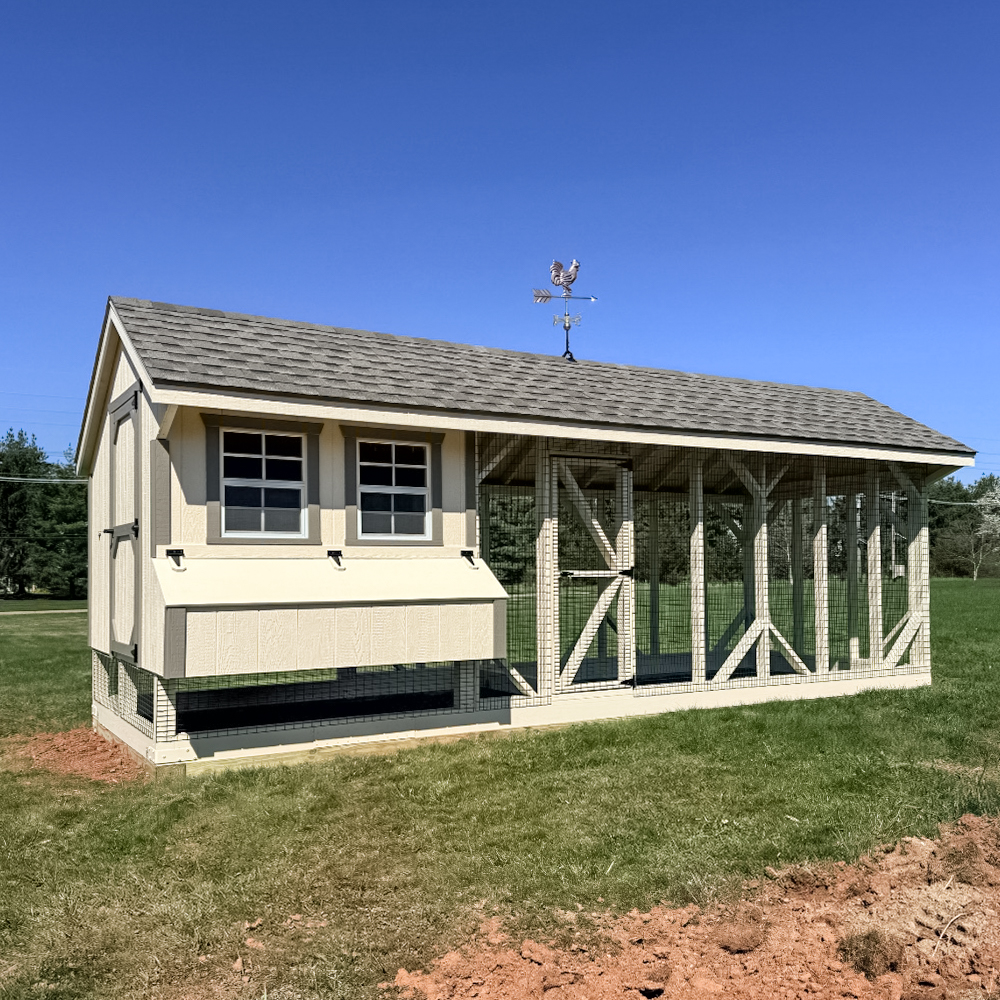
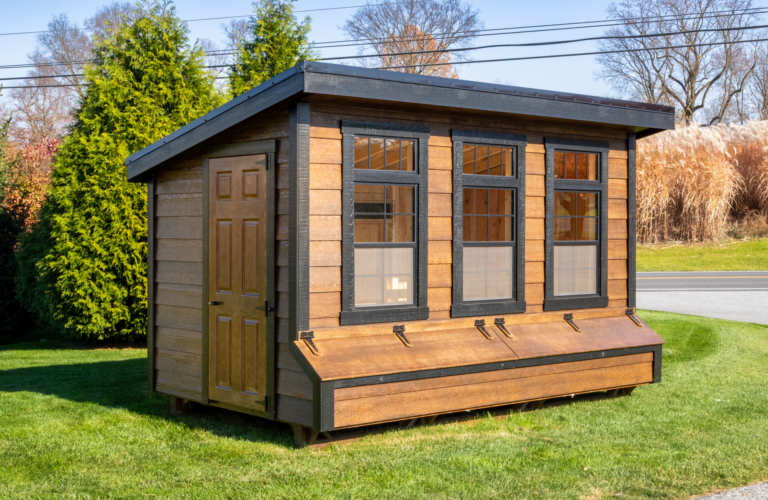
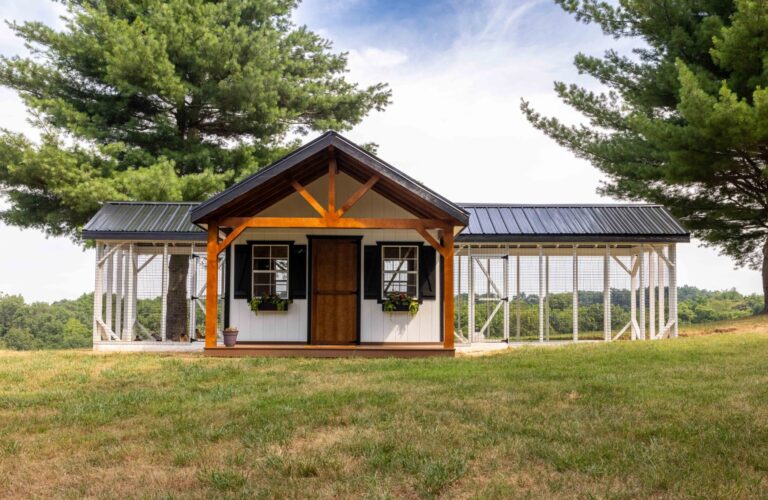
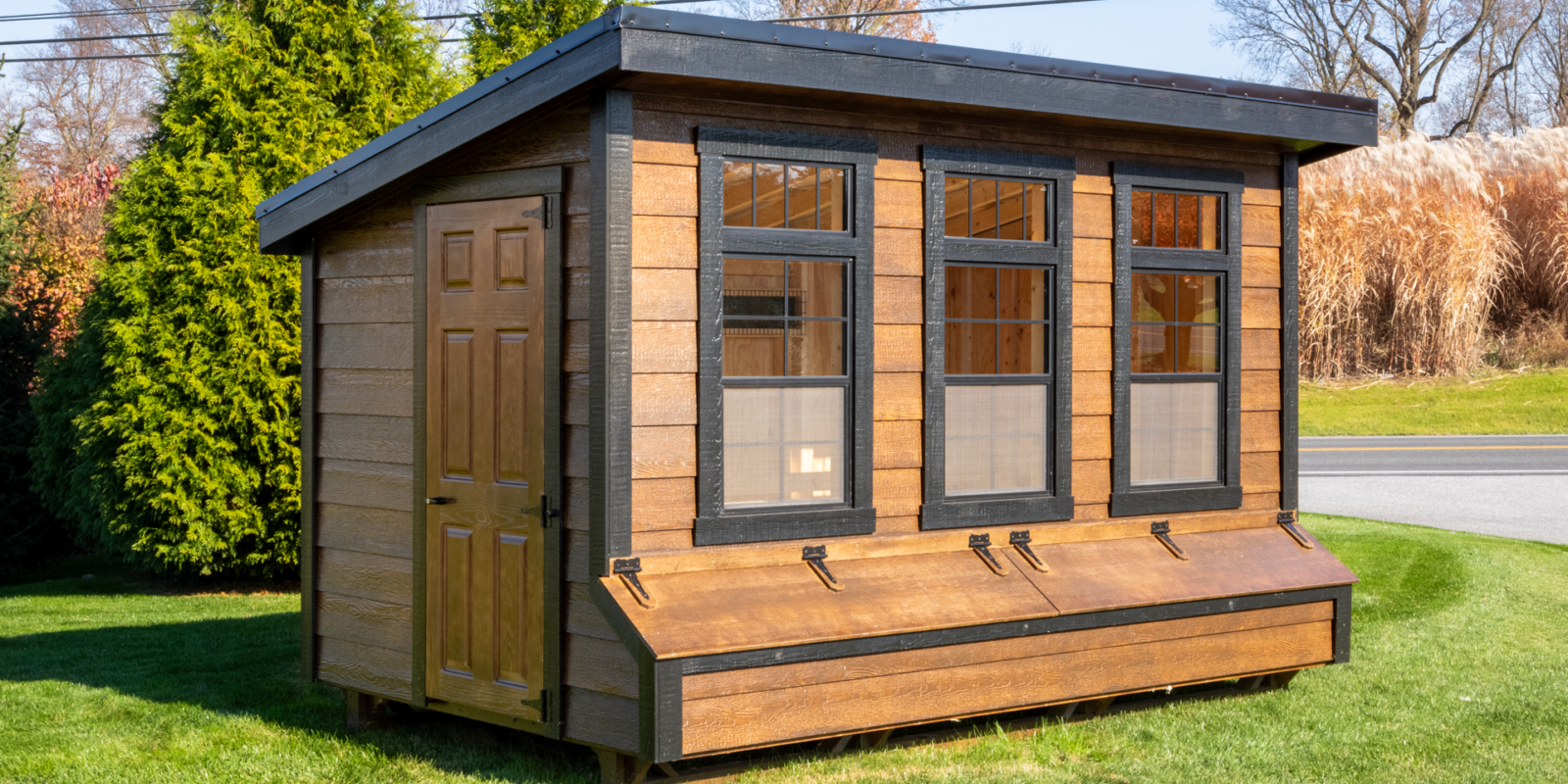
Once you’ve confirmed that your area allows backyard chickens, the right coop setup can help you address the other considerations. Finding a coop with the right dimensions and features can make it easier to meet local requirements and prepare for local conditions.
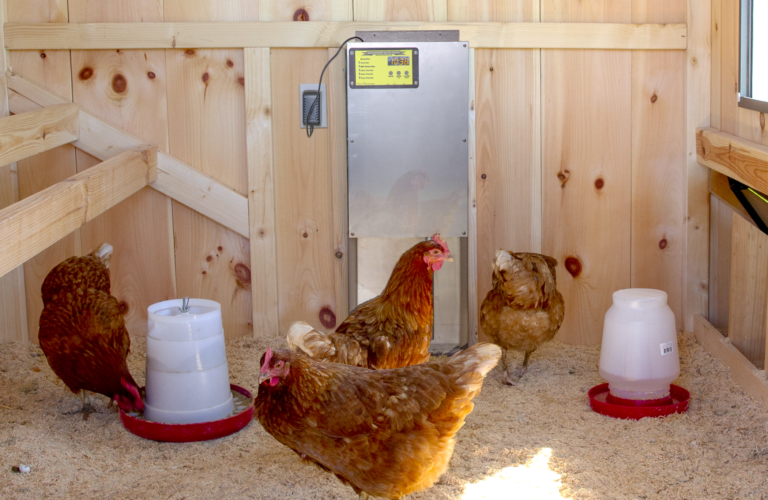
At The Hen House Collection, we build custom coops tailored to your needs. Get the insulation, size, predator protection, and other features your flock needs to thrive.

Hanna Ingold
Hanna Ingold is an expert with The Hen House Collection, specializing in chicken coop regulations and poultry care. She helps homeowners navigate local state zoning and building law requirements while ensuring their chicken coops are safe, legal, and well-designed. In addition to her expertise, Hanna is highly knowledgeable in chicken care, including flock health, nutrition, and coop design, making her a trusted resource for healthy chicken keeping.