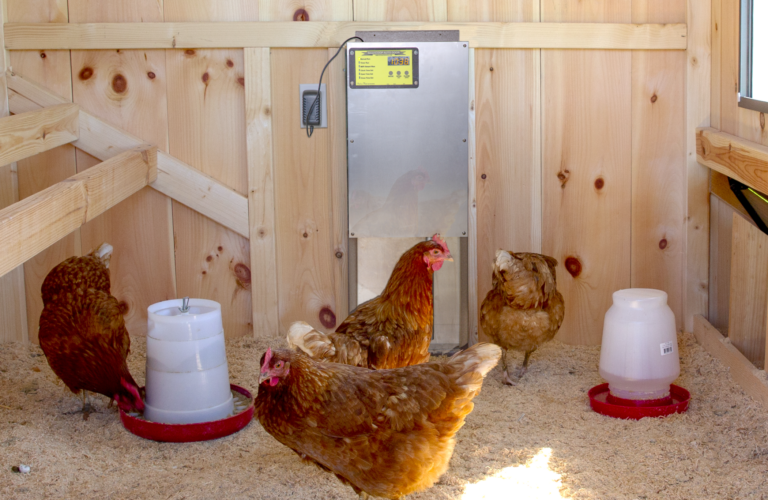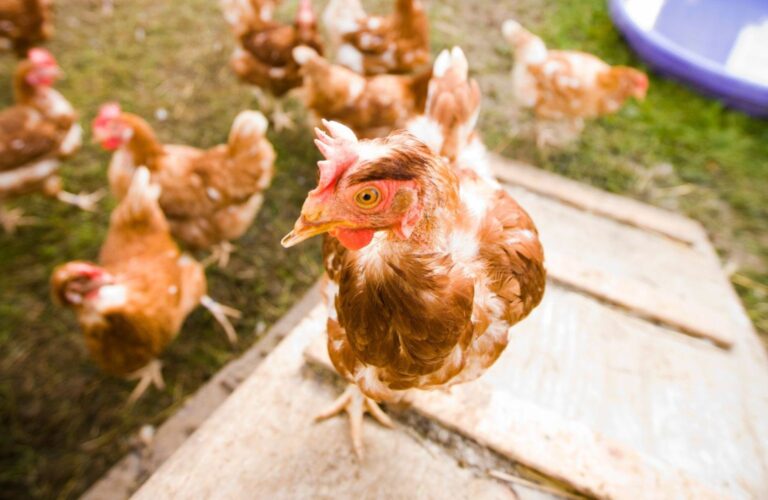


Chickens are surprisingly hardy birds that can thrive in cold climates with the right care. Their feathers provide natural insulation, allowing them to tolerate winter temperatures far better than many people expect.
In the video above, Michelle Visser, a backyard chicken keeper and podcast host based in the Northeast, shares practical tips for keeping chickens warm during winter. Her experience raising chickens in a colder climate highlights how the right coop setup can make a significant difference.
The Hen House Collection builds chicken coops for backyard flocks across the United States, including colder regions like the Northeast, where winter conditions can be especially challenging. Below are additional tips to help keep your chickens comfortable, healthy, and laying eggs throughout the winter.
1. Maintain a Comfortable Temperature

Chickens are naturally insulated by their feathers, which trap warm air close to the body. When birds roost together, they also generate shared body heat that warms the coop. A well-built coop that protects birds from wind and moisture usually provides enough warmth without extreme heating.
Pro Tip: Use a thermometer inside the coop to monitor conditions and avoid temperature swings.
2. Place the Coop in a Protected Location
Location matters in winter. Place the coop where it receives sunlight and protection from wind and predators.
Good placement options include:
- Along a fence line
- Near a building
- In a sunny area that warms during the day
Check your local zoning and backyard chicken laws before relocating your coop. Many municipalities set minimum setback distances from homes, property lines, and neighboring structures that your coop must follow.
Pro Tip: Investing in a tractor chicken coop lets you move it to sunny spots more easily.
3. Feed Them More Protein

Chickens burn more calories during winter as they work to maintain body heat. Many hens are also still finishing their molt around this time. Providing additional protein helps support feather regrowth and ensures birds have enough energy for normal activity and egg production.
Helpful winter feeding practices include:
- Feeding a 21% game bird feed while hens are molting
- Offering scratch grains or cracked corn in the evening
- Providing fermented feed to support digestion
- Supplying crushed eggshells for calcium
- Offering small amounts of cat food as an occasional protein boost during very cold weather
Pro tip: Once hens have fully regrown their feathers, switch back to a standard layer feed that contains about 16 to 18% protein.
4. Provide Access to Fresh, Not Frozen Water
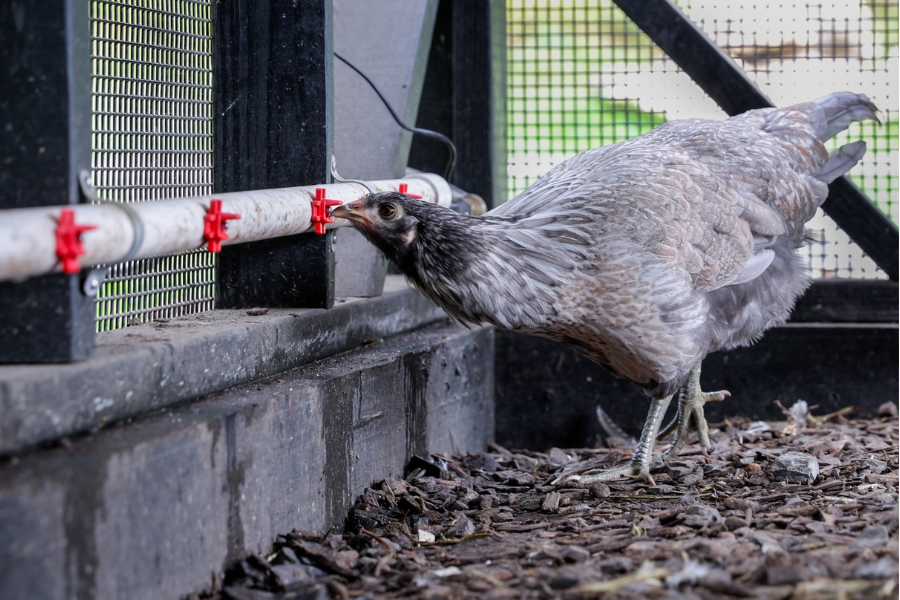
Access to fresh water is important year-round, especially when cold weather causes it to freeze. To combat this, you can:
- Use heated waterers
- Replace water 2-3x daily
- Provide fresh snow
Pro tip: Run an outdoor-rated extension cord to your coop to power your heated waterer if needed.
5. Prevent Drafts While Maintaining Ventilation

When temperatures drop, it’s only natural to assume that adding more insulation will help keep chickens warmer. While insulation does help retain heat, it is important to strike the right balance. Cold drafts can quickly pull heat out of the coop, so sealing large gaps and repairing damaged boards will help reduce wind exposure.
At the same time, proper ventilation remains essential. Without adequate airflow, moisture can build up inside the coop, leading to ammonia buildup, respiratory issues, and frostbite.
Pro tip: Place vents high in the coop so warm, moist air can escape while chickens remain protected from direct drafts.
6. Insulate Coop Properly

So long as you maintain proper ventilation as described above, a well-insulated coop will help keep your flock warm during the winter months.
Common insulation solutions include:
- Foam boards
- Tarps
- Straw bale barriers along walls
- Extra bedding
Pro Tip: Avoid sealing the coop too tightly. Airflow prevents humidity buildup that leads to frostbite on combs and wattles.
7. Use the Deep Litter Method
The Deep Litter Method is a sustainable way to manage bedding in your chicken coop while also helping insulate your flock during colder months. To start, place a thick layer of pine shavings or other organic bedding on the coop floor.
Instead of removing the bedding frequently, turn it occasionally with a rake and add fresh shavings on top as needed. Your chickens’ natural scratching and movement will help mix the layers.
Over time, the bedding begins to form a composting layer that encourages beneficial bacteria to grow. These microbes help break down waste and reduce harmful bacteria found in chicken droppings.
Pro tip: Check out this article you want to learn more about how the Deep Litter Method works and its benefits.
8. Encourage Movement With an Attached Run

Chickens stay healthier when they can move around during the winter months. An attached run gives birds space to exercise while protecting them from snow, predators, and harsh weather. Regular movement supports circulation and helps prevent boredom during long winter days.
Pro tip: Predators become more active in winter when food is scarce, so it is best to avoid letting chickens free range during this time.
9. Keep the Coop Clean & Parasite Free
Winter coop maintenance helps prevent illness and reduce stress for your flock. While it can be harder to keep up with regular cleaning during colder months, a few simple habits can keep the coop healthy:
- Add fresh shavings over droppings regularly
- Clean roosting bars and nesting boxes
- Perform a deeper cleaning about once per month
Pro tip: Some chicken keepers dust nesting areas with diatomaceous earth, a natural powder that helps control mites and parasites.
10. Protect Eggs From Freezing

Eggs can freeze and crack if left too long in cold nesting boxes. You can prevent this by:
- Collecting eggs multiple times each day
- Adding extra bedding to nesting boxes
- Installing nesting box curtains for warmth
Pro tip: Roll-away nesting boxes can also prevent hens from eating their eggs when winter boredom sets in.
How to Keep a Chicken Coop Warm in the Winter
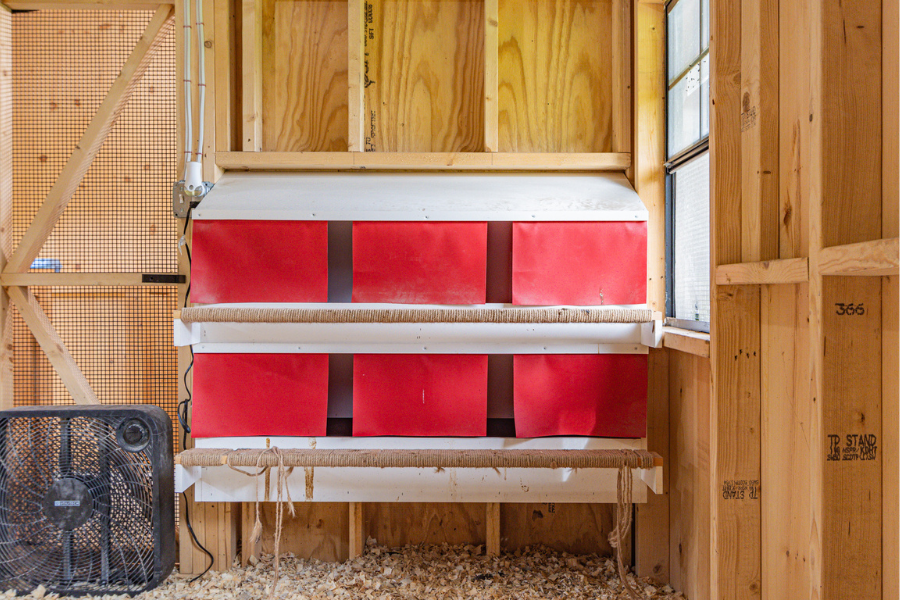
While we have covered general tips for helping chickens stay warm during the winter, there are also specific ways to keep the coop itself comfortable. Creating an environment that is sheltered from wind, moisture, and extreme cold is essential for raising backyard chickens during the winter months.
How to Heat a Chicken Coop in Winter Without Electricity
If local regulations don’t allow you to run electricity to your coop or you’re concerned about potential fire hazards, don’t worry. There are still some things you can do to keep your flock warm through the winter months.
Ways to Keep a Chicken Coop Warm Without Electricity
- Insulate Your Coop
- Minimize Drafts
- Use the Deep Litter Method
- Place Straw Bales Around Your Coop’s Interior
- Nesting Boxes With Curtains and Extra Bedding
What Can I Put in a Chicken Coop for Warmth?
If you’re considering how to build a chicken coop that incorporates features that will ensure it stays warm during the winter, here’s what you can add:
- Insulation
- Vents
- Heated Roost
- Bedding
- Sealed Windows and Doors
- Brooder
- Feeders and waterers
Build a Chicken Coop That Keeps Your Chickens Warm During the Winter
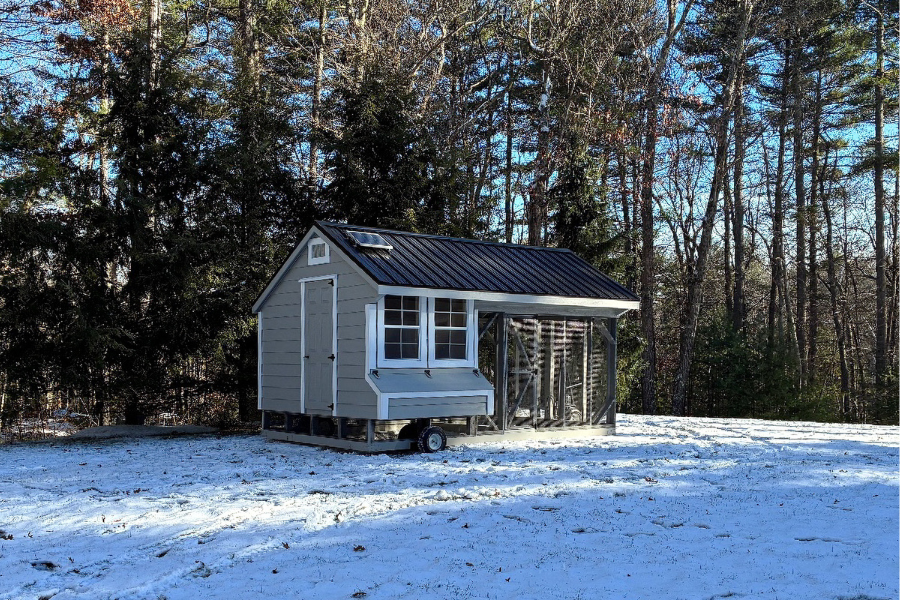
If you want to ensure your chickens stay warm all winter long, consider building or upgrading your coop with The Hen House Collection.
They offer a large variety of small chicken coops, large coops, chicken coops with runs, and even allow you to build a custom chicken coop equipped with features to keep your flock warm, like the following:
- Insulated ceiling
- Electrical Package
- Heated Roosts
And lots of other features you can choose to make your coop just perfect for you and your hens.
The Takeaway
When temperatures drop to uncomfortable or even dangerous levels, people reach for heavy coats and extra layers to stay warm. Chickens do not have that problem. Their feathers act like built-in jackets, providing natural insulation that helps them handle cold weather far better than we can. Often called one of nature’s small miracles, feathers are designed to trap heat and protect birds from harsh winter conditions.
When a chicken fluffs up its feathers, warm air becomes trapped close to the body, creating a cozy pocket of insulation. As long as chickens are protected from strong winds and freezing drafts, this natural system can keep them comfortable even in extreme cold temperatures. It is how birds regulate their body heat throughout the winter months.
Still, balance is key. Chickens are well-equipped for the cold, but they can become chilled if exposed to moisture, wind, or extreme conditions for too long. A warm, dry coop, proper insulation, and the right winter feed all play crucial roles in keeping your flock comfortable.
FAQs About Keeping Your Chickens Warm In Winter

Hanna Ingold
Hanna Ingold is an expert with The Hen House Collection, specializing in chicken coop regulations and poultry care. She helps homeowners navigate local state zoning and building law requirements while ensuring their chicken coops are safe, legal, and well-designed. In addition to her expertise, Hanna is highly knowledgeable in chicken care, including flock health, nutrition, and coop design, making her a trusted resource for healthy chicken keeping.